
The wrong gymnastics wear can quickly become a distraction, restricting movement, slipping out of place or making routines uncomfortable. When every stretch, jump, and turn requires control and precision, what you wear matters more than you might think. The right attire should let you move freely, stay securely in place, and focus on your performance instead of constant adjustments. From choosing comfortable fabrics to finding a supportive fit, the right clothing helps you feel prepared for every practice and routine.
Contents
Most Popular Choices
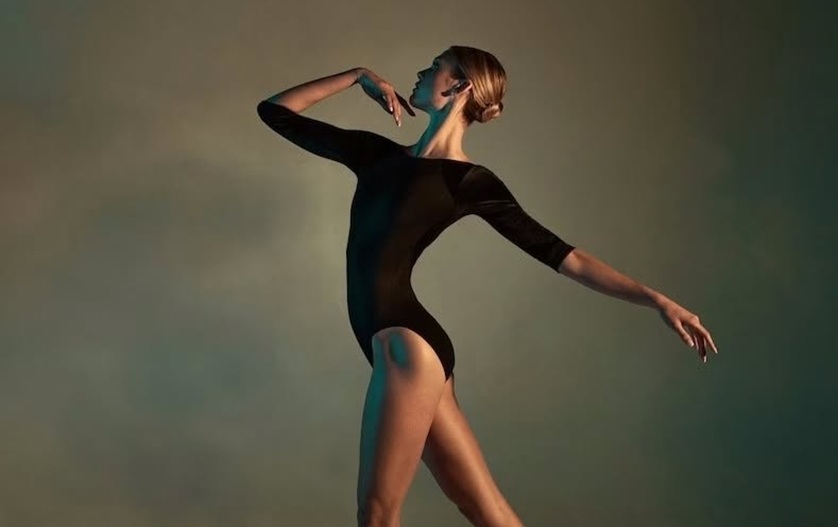
With so many options available, you can find comfortable gymnastics clothing that matches your style and training needs. Knowing which styles are commonly worn for training and practice can help you narrow down your choices. Also, take into account your age, personal preference, training requirements and the level of support you need during movement.
Leotards
Leotards are among the most recognisable choices for gymnastics because they provide a streamlined fit that stays close to the body. Their one-piece design minimises loose fabric that could get in the way during flips, stretches, jumps and other movements. They are available in several styles, including sleeveless, short-sleeved and long-sleeved options.
Sleeveless designs allow greater freedom around the shoulders and arms, while long-sleeved versions offer additional coverage. You can also find simple training designs alongside more decorative options featuring contrasting colours, patterns and details.
Crop Tops
Crop tops are a popular alternative for gymnasts who prefer a two-piece outfit. They can be paired with matching shorts to create a coordinated training look while allowing plenty of freedom of movement. Depending on the design, crop tops may feature different necklines, straps and sleeve lengths.
When choosing one, pay attention to how securely it fits during bending, stretching and jumping. The top should stay in place without feeling restrictive, allowing the gymnast to concentrate on technique rather than adjusting their clothing.
Gymnastics Shorts
Gymnastics shorts provide a practical option for training sessions, particularly when paired with a fitted crop top or leotard. Their close-fitting design helps prevent excess fabric from interfering with movements, while stretch construction allows the legs to move freely during splits, jumps and floor exercises.
Some gymnasts prefer simple, understated shorts, while others choose colourful designs that coordinate with their tops. The waistband should sit comfortably without digging into the skin or slipping during activity.
Matching Sets
For a coordinated appearance, matching gymnastics sets combine complementary tops and bottoms in the same colour or design. These outfits make it easy to put together a consistent training look without having to mix and match separate pieces. They can also be a practical option for gymnasts who prefer having ready-to-wear combinations for regular practice.
Material Selection
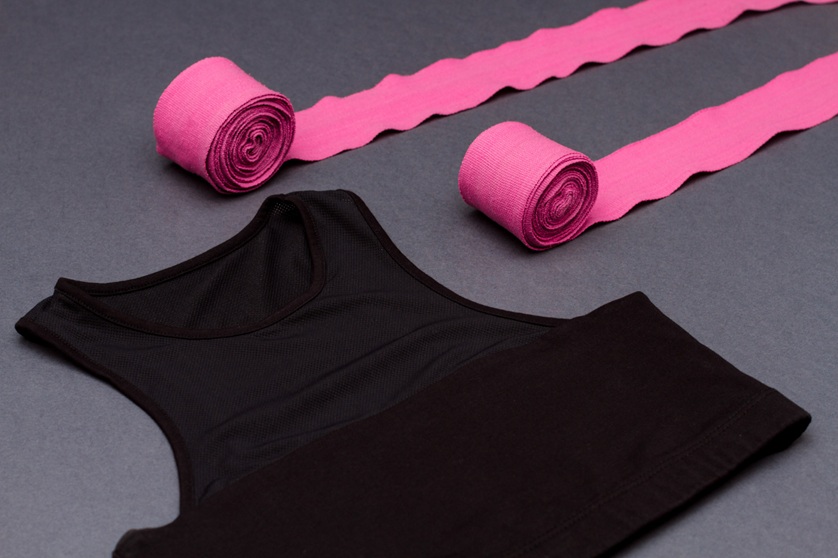
The fabric used in gymnastics clothing directly affects comfort, flexibility and performance. Since routines involve constant stretching, jumping, turning and bending, the material should move naturally with the body without becoming restrictive. Stretch fabrics such as spandex and elastane blends are popular choices because they provide flexibility and help garments maintain their shape during repeated movements. They also allow gymnastics wear to fit closely without limiting the gymnast’s range of motion.
Breathability is another important factor. Training sessions can become physically demanding, so lightweight fabrics that allow airflow help prevent excessive heat build-up. Moisture-wicking properties are also worth considering, as they help draw perspiration away from the skin and keep clothing more comfortable during practice.
Durability matters just as much, particularly for gymnasts who train regularly. Repeated stretching, washing and general wear can affect fabric quality over time. Look for materials that retain their elasticity, resist becoming loose and maintain their appearance after frequent use. A good combination of stretch, breathability, softness and durability ensures gymnastics clothes remain comfortable and practical throughout training sessions.
Getting the Right Fit
Gymnastics clothes for women should fit snugly without making you feel tight or restrict your movement. An outfit that is too loose can shift during flips, jumps and stretches, creating distractions and making certain movements more difficult. On the other hand, gymnastics clothes that are too tight may dig into the skin, restrict flexibility or cause discomfort throughout training.
When choosing the right pieces, pay attention to the garment’s measurements rather than relying on the usual clothing size alone. Check the sizing chart and consider the gymnast’s height, chest, waist and hip measurements to find a suitable fit. Leotards should stay securely in place without pulling across the shoulders or torso, while shorts and crop tops should remain comfortable during active movements. If buying clothing for a growing child, allow for some room to grow without choosing an oversized outfit that interferes with performance.
Caring Tips
Proper care helps female gymnastics outfits maintain their shape, elasticity and appearance, even with frequent training and washing. Always check the garment’s care label before cleaning, as different fabrics may require specific washing temperatures or methods. In general, use a gentle cycle and mild detergent to protect delicate fibres and preserve stretch. Avoid high washing temperatures, bleach and harsh cleaning products, as these can weaken elastic materials and cause colours to fade.
Air-drying is usually preferable to using a tumble dryer, since excessive heat can affect the fabric’s elasticity and fit. Lay garments flat or hang them in a well-ventilated area until completely dry. Avoid leaving your sweaty clothes bundled inside a training bag for extended periods, as this can lead to unpleasant odours. Instead, remove them after each session and wash them when needed. Store clean, dry garments in a drawer or gym bag to keep them ready for the next practice.


