
Few drinks are as timeless and expressive as the iconic pinot noir wine. Mentioned in every film, printed in every catalogue, written about in countless articles, this isn’t just your typical red wine; it’s a carefully bottled up story, one whose complex hues and delicate notes have been refined and enjoyed for centuries.
Whether you are a beginner when it comes to tasting and pairing wines, or a seasoned drinker who’d love to learn a little more about the rich flavour profile of this delicate red, you’ve come to the right place. This guide will uncover everything you need to know before you purchase a bottle of pinot noir wine, from its complex flavour profile to its rich history and even the symbolism behind its timeless taste and aroma.
Contents
What Is Pinot Noir Wine?
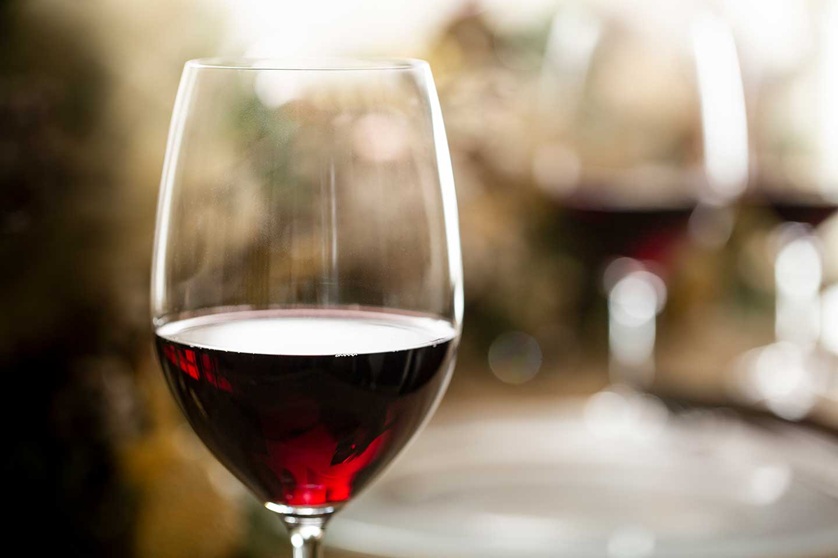
There is no wine with a history and refinement that come close to those of the pinot noir variety. Made from the grapes of the same name, pinot noir’s origin is quite shrouded in mystery. It’s believed this delicate red wine variety originated on the continent of Africa, either in Egypt’s Nile Valley or in North Africa. Its production has since spread worldwide, especially in the historical region of Burgundy, France.
The term pinot noir originates from the French words for pine and black. The term “pinot noir” comes from the fact that the pinot noir grapes grow in tight clusters resembling a pinecone. Due to the uneven growth of the grapes and their varying sweetness, this wine has also been dubbed the “heartbreak wine” for the challenges that come with farming.
Although it is considered a red wine, it’s quite important to note that it usually has a softer colour than the violet-red most red wines have. Its pale red garners a lot of attention, making it renowned for its rose shades.
The pinot noir wine also has a unique flavour profile. On the nose, it’s all about red fruits. Its aroma is layered in spice, earthiness and gentle scents of vanilla and smoke. While on the tongue, you can feel the acidity and lower tannins, making the flavour graceful and subtle.
Characteristics of Pinot Noir Wine
Pinot noir grapes may be difficult to grow and care for, but they do make one of the most delicate wines in the world. It is a medium-bodied, pale-red wine with a flavour profile and aroma that heavily depend on the area where the grapes are grown.
Wine specialists have described this wine as elegant, known for its complex grape-growing process, which results in a distinct flavour with each batch produced. Cooler climates yield more nuanced flavours, while warmer climates may result in more earthy and smoky aromas.
If you were to taste pinot noir for the first time, the first flavours you’d experience are the sweet fruits, such as cherries, raspberries and cranberries. You also may notice slight hints of black tea and even mushrooms, which are the benchmark tasting notes you first learn about.
Some people have also reported tasting pomegranate, red beets and even a sweetness similar to that of Dr. Pepper, which speaks to the uniqueness of each bottle of wine produced and each customer experience.
Pinot noir is a medium-bodied wine. That means that it sits in the middle of the liquid scale weight between water and cream. Although acidity is usually based on personal experience, most people would describe Pinot Noir as a medium to high-acidity wine, which isn’t truly heavy in alcohol, yet still causes a pleasant burn in the back of your throat.
Pinot Noir Wine Food Pairings
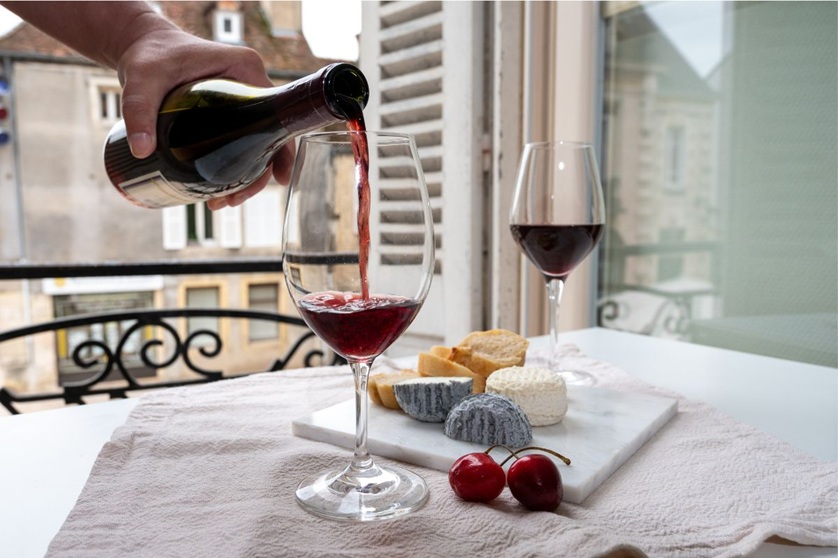
When it comes to pairing foods and wines, typically it’s all up to the drinker. However, if you’re curious about how to get the most out of the complex pinot noir flavour, here are some food pairing recommendations that will take your wine tasting to the next level and elevate your home dining experience.
Because pinot noir wines are dry, they don’t go that well with extremely sweet foods. The high acidity makes them the perfect pair for fatty, creamier dishes, such as meat and pasta. Because of the light tannins, they pair perfectly with meats, vegetarian dishes, marinated foods and cheeses.
This wide range of food pairings gives you an idea of pinot noir’s versatility. So, next time you’re having a romantic dinner with your partner, or you just want to have a relaxing dinner by yourself, open a bottle of pinot noir, and enjoy the rich blend of flavours.
Serving and Storing Pinot Noir Wine
Getting your hands on a bottle of pinot noir is well worth the wait, and now that you have acquired it, it’s time to learn how to get the most flavour out of it. The three most important takeaways are the serving temperature, the way you store your wine, and the glassware in which you serve it.
Pinot noir tastes best when it’s served cold. For the optimal flavour expression, serve your wine at about 12-15 °C. You might think that glassware is all about the presentation, but that isn’t the case when it comes to serving wine.
Glasses with wider bowls and narrower rims have the power to bring out the true aromatic hues of the wine, providing a full sensory experience while drinking. For storage, store the bottles lying horizontally in a cool, dark space to preserve the quality and flavour of the wine.
Conclusion
In the end, pinot noir is an experience you deserve to savour fully. This is why understanding the wine’s complex flavours, aromas, and how they blend together can help you fully enjoy your wine-drinking experience. Whether you are a beginner wine taster or you’ve made some mistakes in the past you’d like to avoid, be sure you’ve learned the right technique and are now fully ready to pour, swirl, and sip with full confidence.


