
Online shopping lets you easily browse new arrivals, compare prices, and order pieces from across the world. But while convenience is at an all-time high, so is the risk of choosing the wrong retailer. Flashy discounts, filtered photos, and bold claims of being the “best fashion clothing store” can make it difficult to separate genuine quality from clever marketing.
Not every store operates with the same standards. Some focus on well-made garments, clear sizing information, and responsive customer service. Others prioritise quick sales over long-term trust. I’ll walk through what to look for before you hit “Add to Cart,” how to identify warning signs, and how to shop with confidence.
Contents
Materials
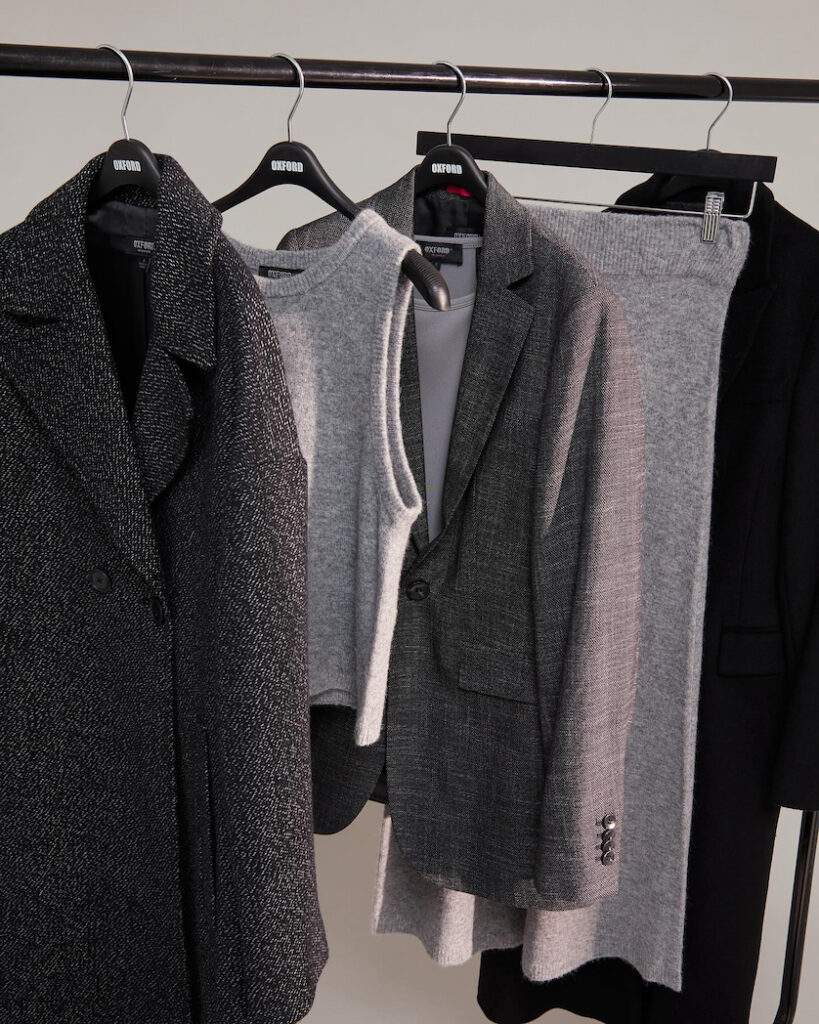
When you’re choosing where to shop, quality should always be a priority. It’s easy to be tempted by low prices or fast trends, but poorly made garments often show their flaws after just a few wears. Seams start to twist, fabric pills, colours fade, and suddenly that “great deal” doesn’t feel so great anymore.
Look for a quality-driven clothing retailer that focuses on well-made garments and thoughtfully chosen fabrics. You’ll notice the difference in how the material feels against your skin, how it drapes, and how it holds its shape throughout the day. Better construction also means stronger stitching and finishes that stand up to regular washing and wear. Investing in well-crafted pieces means that you’re making smarter choices. Garments that last longer save you money over time and reduce the frustration of constantly replacing worn-out items. Quality brings comfort, confidence, and value to your wardrobe.
Sizing
One of the clearest signs of trustworthy modern clothes is proper sizing. If a store only offers vague labels like small, medium, or large without any real measurements, that’s usually a red flag. A reliable retailer will provide detailed size guides with specific bust, waist, hip, and length measurements so you can compare them to your own. That extra information helps you avoid returns and disappointment.
It also helps when product descriptions include fit notes or the model’s measurements. Knowing how tall the model is or what size they’re wearing gives you better context for how the piece might sit on your body. And if you’re ordering from overseas, double-check whether the sizing follows US, UK, or EU standards, as those differences can be surprisingly significant.
Reviews
Another big clue about whether a clothing retailer is worth your money comes from its reviews. Genuine customer feedback can tell you far more than polished product photos ever will. The most helpful stores allow verified buyers to share detailed comments, and it’s even better when shoppers upload their own pictures. Seeing how a piece looks in real life, on different body shapes, and in different lighting, gives you a clear idea of what to expect.
Read more than just the glowing ratings. Look at the lower-star reviews too and notice if the same issues come up repeatedly, like sizing running small or colours looking different in person. Comments about how an item holds up after washing are especially valuable, since that’s where quality shows. Be cautious if every review sounds identical or overly vague. Repeated, generic praise can sometimes be a red flag rather than reassurance.
Shipping and Returns
A store that’s upfront about delivery times and shipping options usually has nothing to hide. Returns are just as important. You should be able to understand the return window without decoding complicated terms, and it should be fair and practical. If a site makes returns nearly impossible or expects you to cover expensive international shipping fees both ways, that’s a red flag.
Sustainability
The stores worth trusting aren’t always the ones with the rock-bottom deals, but the ones that are open about how and why their pieces cost what they do. Pay attention to brands that talk about where their fabrics come from, how their workers are treated, and what sustainable fashion steps they’re taking to reduce waste.
If a dress is suspiciously cheap, it’s fair to wonder what corners were cut to get it there. Quality materials, fair pay, and responsible production all come at a cost. Support brands that care about those things, and you’ll end up with garments that last longer and feel better.
How to Evaluate Photos and Descriptions?
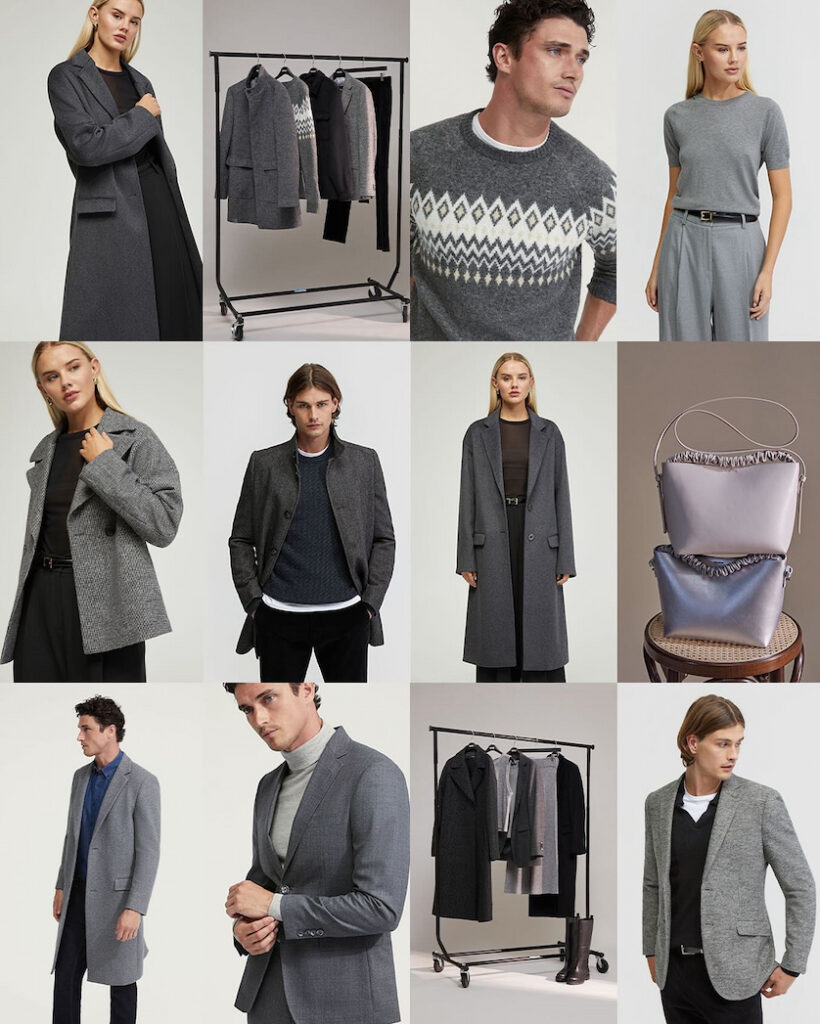
When you’re shopping online, photos and product descriptions can reveal a lot more than you’d expect. So, how do you evaluate a product photo?
- Clear, natural photos: Reliable contemporary clothing stores usually show items in good lighting, from different angles. You should be able to zoom in and see the fabric texture. If every photo looks staged the same way, it’s worth being cautious.
- Real-life representation: Brands that share customer photos or feature models with different body types tend to feel more genuine. It shows they’re confident about how their clothes fit in real life, not just in a studio.
- Detailed descriptions: A trustworthy fashion clothing store will mention fabric materials, care instructions, and how the piece fits. If the description is vague or packed with overused buzzwords, that’s your cue to double-check before buying.
Red Flags and Green Flags
Being able to spot a questionable online store can save you a lot of frustration later. If a website doesn’t clearly show who they are, how to contact them, or even share a proper “About” page, that’s your first warning sign. Next, look at the product photos. If they have random watermarks or look like they were lifted from somewhere else, that’s not a great sign.
A genuine brand usually has some kind of social media presence with real interaction, not a blank page. Payment options matter as well. If the only way to pay is through direct transfers or unfamiliar methods, think twice. And of course, if the prices seem unrealistically low for what’s being promised, think about how that’s even possible before you click “buy.”


