
Ever struggled to cook large meals outdoors or for big gatherings because your regular stove simply isn’t powerful enough? Enter a stock pot burner. It is a high-powered outdoor cooking device specifically designed to support large, heavy pots used for boiling, frying, steaming, or simmering big batches of food. It delivers an intense and consistent heat that standard kitchen stoves often can’t provide.
Contents
Fuel Types
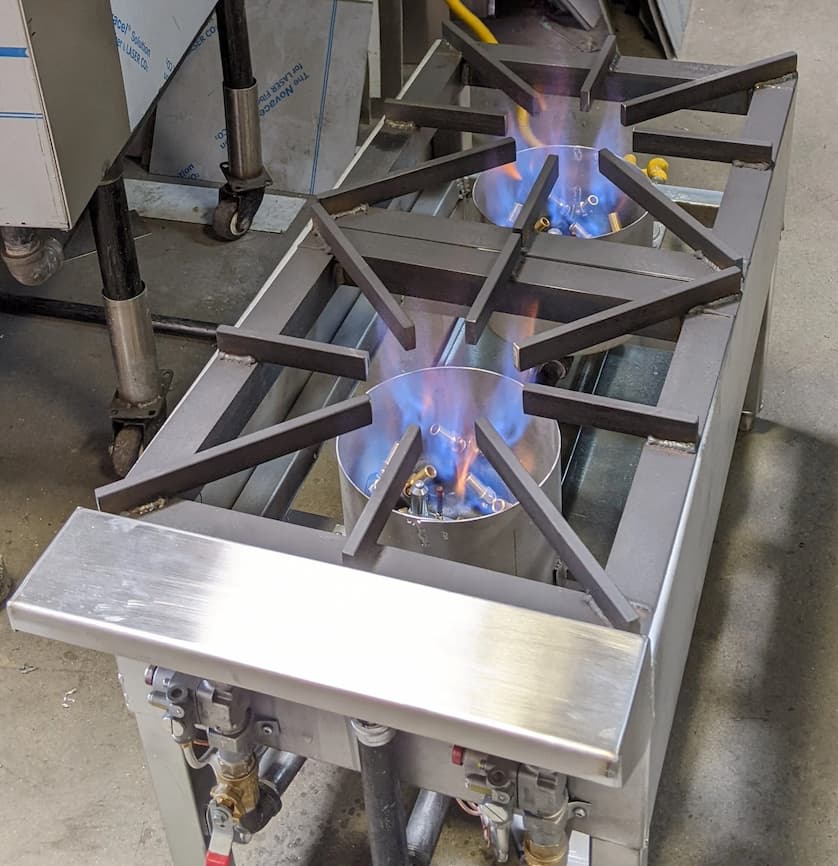
Boil, simmer, or fry large amounts of food efficiently, while saving time and energy with a premium-quality stock burner. When looking for the best option for different cooking scenarios, the fuel type is one of the most important considerations as it directly affects performance, convenience, and where the burner can be used.
Propane Gas
Propane is one of the most common fuel sources for stock pot burners, especially for outdoor cooking. Propane burners connect to portable gas cylinders, making them easy to transport and ideal for camping, backyard cooking, catering events, or large gatherings. One of the main advantages of propane is its ability to produce high heat quickly, which is essential for boiling large pots of water or cooking large quantities of food.
Propane burners also provide consistent flame control, allowing users to adjust heat levels depending on the recipe. Additionally, propane tanks are widely available and relatively easy to replace, making them a convenient option for many users.
Natural Gas
Natural gas burner choices are typically used in commercial kitchens or permanent outdoor cooking setups. Instead of using portable cylinders, these burners connect directly to a natural gas line. This fuel type offers continuous fuel supply, eliminating the need to replace tanks during long cooking sessions.
Natural gas stock pots also tend to be more cost-effective in the long run, particularly for businesses or households that cook large quantities of food regularly. However, because they require a fixed gas connection, they are less portable and usually installed in a specific location, such as an outdoor kitchen or professional cooking area.
Butane
Butane is another gas option used for certain stock pot burners, although it is less common for very large models. It is typically stored in smaller canisters and is known for its clean-burning properties. Butane burners are often appreciated for their portability and compact design, making them suitable for small outdoor gatherings or temporary cooking setups.
While butane provides steady heat, it generally produces slightly lower output compared to propane, which may make it less ideal for extremely large stock pots that require intense heat.
Dual-Fuel Options
Some options are designed to support multiple fuel types, allowing users to switch between propane and natural gas with the appropriate conversion kit. This flexibility can be particularly useful for people who want the option of portability while still having the possibility of a permanent installation. Dual-fuel systems provide versatility, enabling the burner to adapt to different cooking environments and fuel availability.
Key Features
When buying a stock burner, understanding the key features can make a significant difference in cooking efficiency, safety, and durability. Because these burners are designed to handle large pots and high heat output, their construction and functionality are built to support demanding cooking tasks.
High Heat Output
One of the most important features of a stockpot burner is its heat output. These are specifically designed to generate powerful flames capable of heating large volumes of liquid quickly. High heat output is especially useful for boiling stock, cooking seafood, frying large batches of food, or preparing soups and sauces in bulk. Efficient outdoor cooking gear allows faster cooking times and better temperature control, which can be crucial when managing large-scale meals.
Sturdy and Durable Construction
Stock pot cookers are built to support heavy cookware, so strong construction is essential. Many models are made from heavy-duty steel or cast iron to ensure stability and durability. A solid frame prevents wobbling and helps distribute the weight of large pots evenly, reducing the risk of spills or accidents. Durable materials also allow the burner to withstand frequent use and high temperatures without warping or deteriorating over time.
Wide Cooking Surface
A wide and stable cooking surface is another important feature. Stock pots can be extremely large and heavy when filled with liquid or ingredients. Burners with wide support rings or reinforced grates provide better balance and ensure the pot remains stable during cooking. This design also helps maintain proper heat distribution underneath the pot.
Adjustable Flame Control
Precise flame control allows cooks to regulate heat depending on the cooking process. Being able to easily adjust the flame helps when switching between rapid boiling and slow simmering. This flexibility is particularly helpful when preparing recipes that require different heat levels throughout the cooking process.
Safety Features
Safety is critical when working with high-powered burners. Many stock pot burners include safety elements such as stable legs, non-slip bases, heat-resistant materials, and secure gas connections. These features help minimise risks while cooking outdoors or in professional kitchens, ensuring both safety and reliability during use.
Setting Up and Maintenance Tips
Proper setup and maintenance help ensure your pot burner operates safely and efficiently. Always place the burner on a flat, stable surface to prevent tipping, especially when using large, heavy pots. Connect the gas hose securely and check for leaks before lighting by applying a simple soap-and-water test on the connections.
Keep the burner clean by removing food residue, grease, and debris after each use to prevent clogging and uneven flames. Store propane tanks in a well-ventilated area away from heat sources. Regularly inspect hoses, valves, and burners for wear or damage to maintain safe performance and extend the burner’s lifespan.


